The smartphone as the new onboard computer
Innovatie & trends
October 27, 2025
Miranda van Tellingen
Why smartphones are replacing the onboard computer
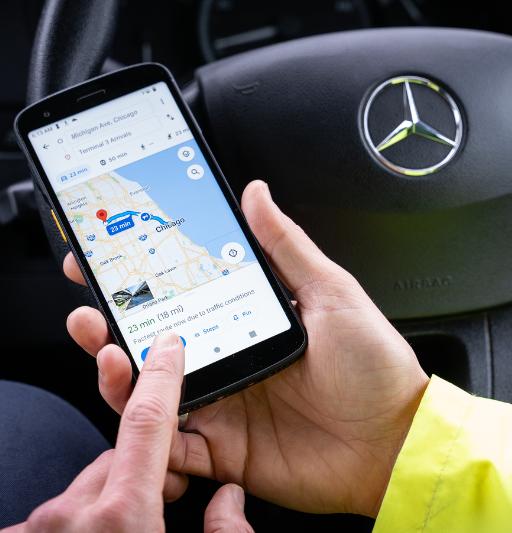
The shift to smartphones is not surprising. Drivers need up-to-date route information, planners require real-time insight into deliveries, and customers expect immediate visibility of their shipments. At the same time, companies demand integration with existing IT systems and apps for fleet management, order tracking, and time registration. Smartphones offer this flexibility and speed, while traditional onboard computers are often limited to their core functions. Benefits:
- Real-time navigation and tracking: Modern apps like Google Maps, Waze, and specialized business apps provide current route and delivery information.
- Instant communication: Drivers and planners stay continuously connected, enabling faster and more reliable planning.
- Integration and efficiency: Smartphones easily integrate with existing systems for logistics, fleet management, and customer updates.
Stand out by making the right choice
Many transport companies still opt for consumer smartphones: cheap and compatible with apps. However, this can lead to:
- Software incompatibility after updates
- Operational downtime
- Higher hidden costs due to device failures
Example in practice: A Dutch logistics company with 2,000 drivers used consumer smartphones. After an automatic Android update, the company app stopped working, preventing drivers from processing orders and causing planners to lose oversight. The financial damage far exceeded the savings from the inexpensive devices

The pitfall of consumer smartphones
Many transport companies still opt for inexpensive consumer models, as they seem affordable in the short term. However, this can lead to significant operational risks:
- Unexpected software incompatibility after updates
- Operational downtime
- Higher hidden costs due to device failures and emergency replacements

Enterprise devices: Reliability and continuity
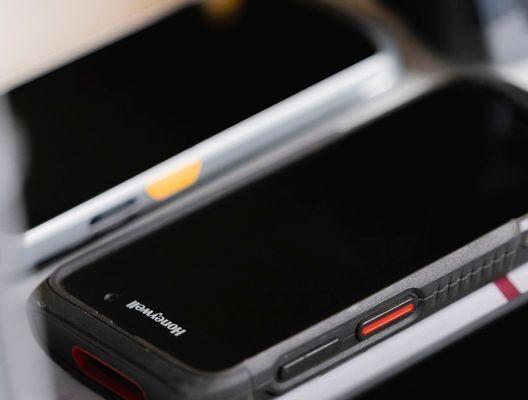
Enterprise devices provide a solution specifically designed for intensive business use:
- Durable and resistant to drops, rain, and dust
- Long-term availability (3–5 years)
- Guaranteed software and security updates
- Accessories for daily heavy use
While the purchase price may be higher, this results in a lower total cost of ownership: fewer failures, fewer emergency replacements, and a longer lifespan.

Control for a future-proof operation
Transport companies in the Netherlands and the Benelux that choose enterprise smartphones with professional management lay the foundation for a stable, efficient, and future-proof operation. Companies that stick to consumer models risk downtime, operational issues, and higher costs.
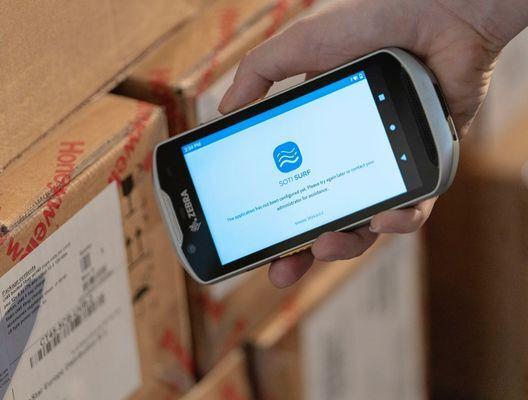
A successful transition to mobile systems requires professional management. MDM provides:
- Controlled updates without operational downtime
- Remote device lock or wipe in case of loss
- Real-time insight into battery, network, and usage
- Predictable availability for tight scheduling